Olympos Ancient City
Foto: Capyusuf / Wikimedia Commons, CC BY-SA 4.0
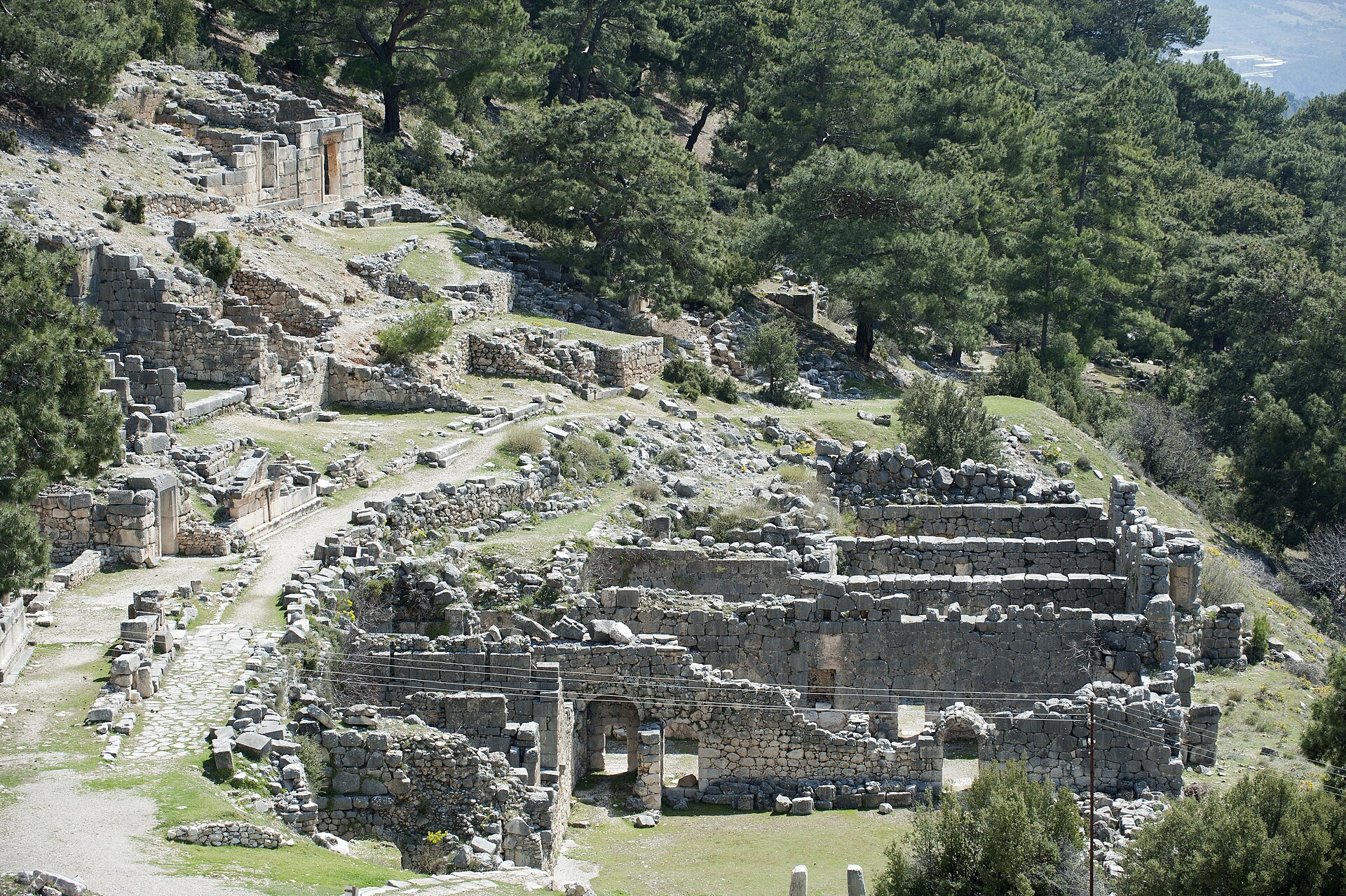
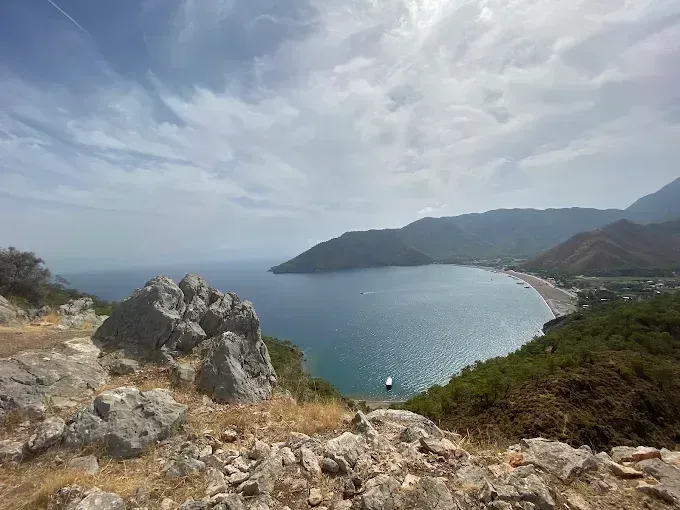
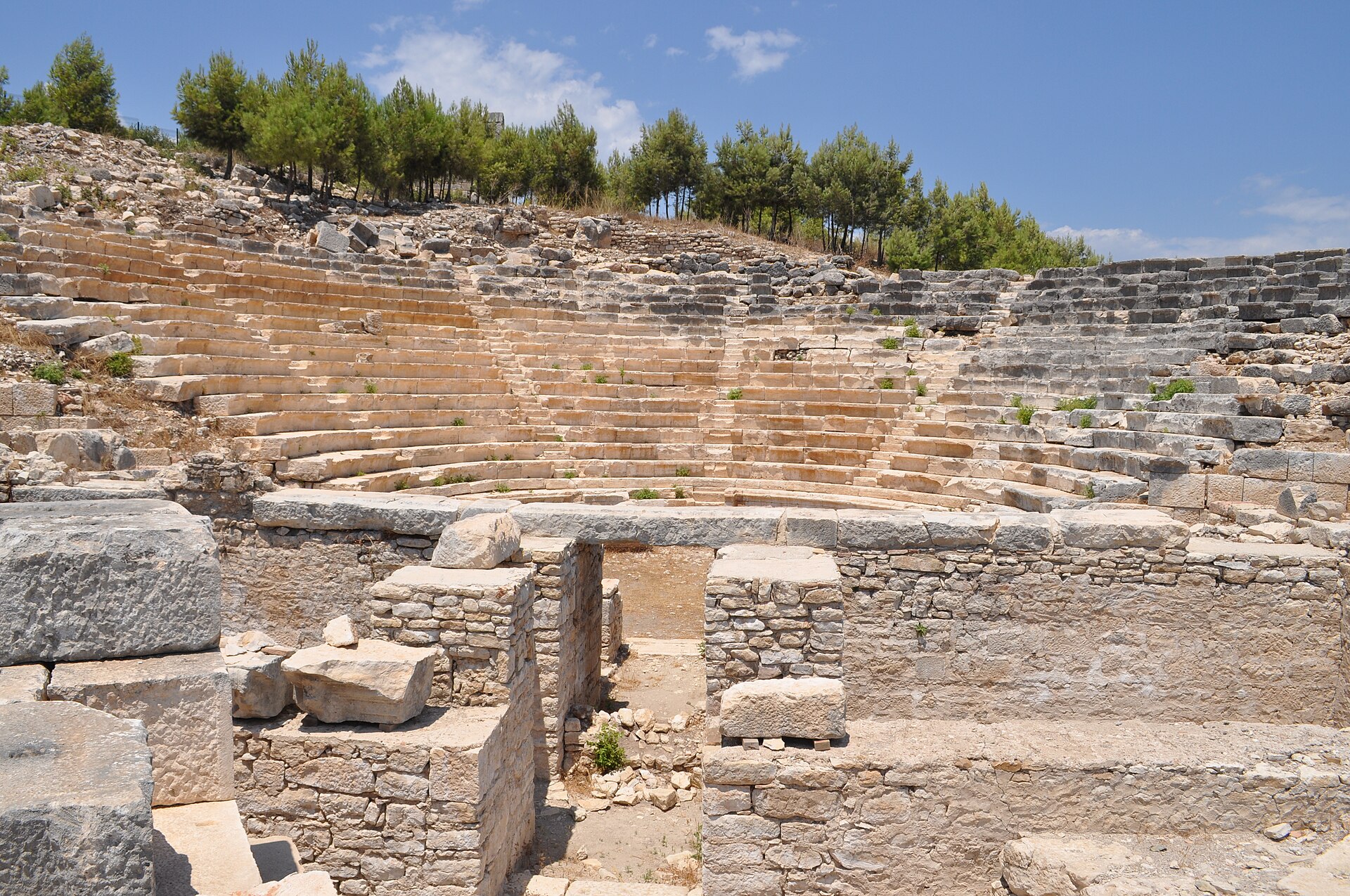
A prominent member of the ancient Lycian League, Olympos was built around a river gorge opening into the sea. Shrouded in lush riverbank vegetation, the site features Roman temple portals, bath complexes, a theater, monumental tombs, and the sarcophagus of Captain Eudomus, offering a true archaeological adventure.
History
Olympos's founding date is unknown, but its name appears on Lycian League coins of the 2nd century BC. It was one of the six leading cities of the league with three votes each. In the 1st century BC it became the base of the pirate leader Zeniketes; it flourished again in the Roman and Early Christian periods and continued to play a role in Mediterranean trade in the Middle Ages.
What to see
- The theatre
- The monumental gate of a Roman temple
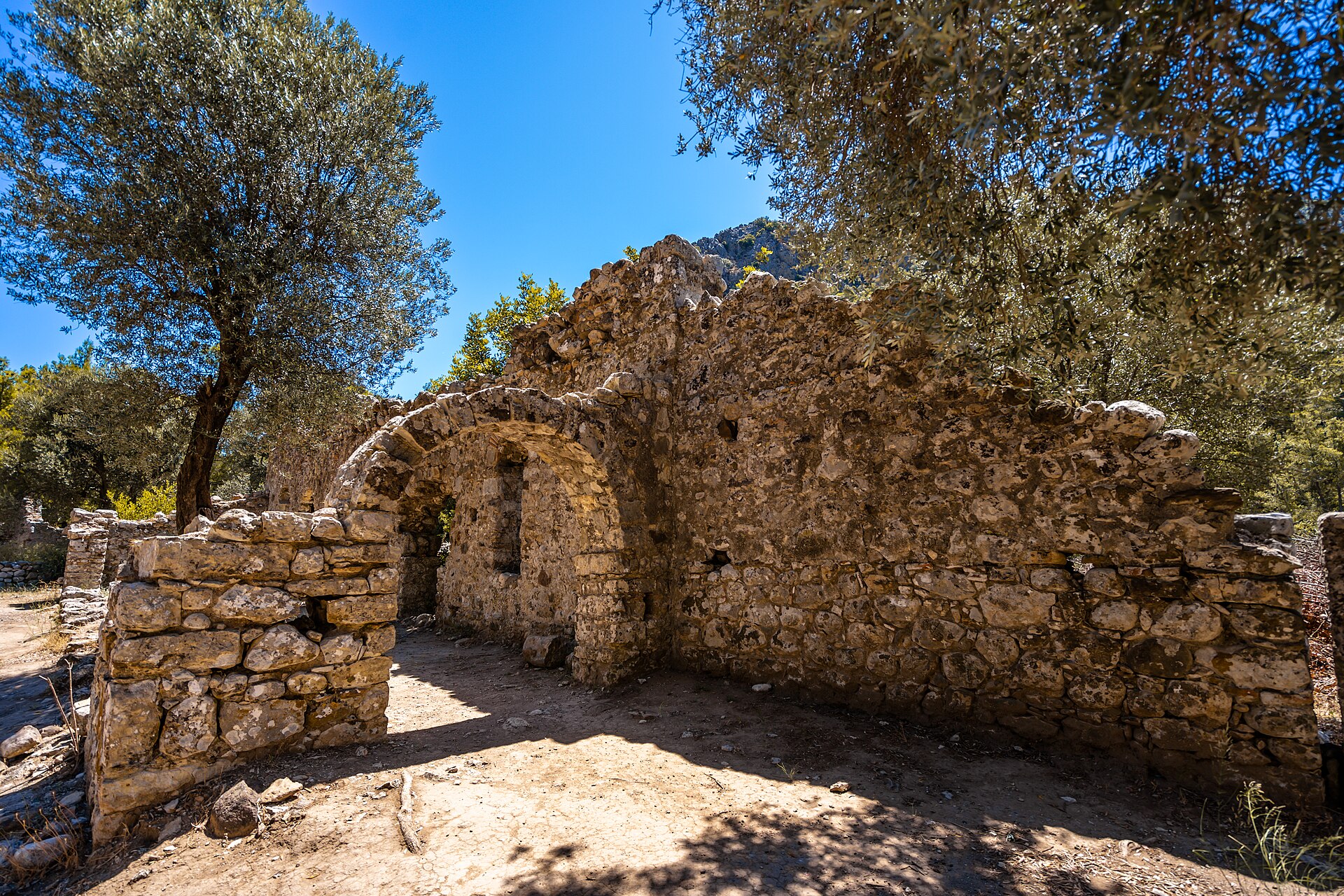
- Basilicas
- The ancient bridge pier over the river
- The harbour tombs and the Sarcophagus of Captain Eudomos
In antiquity the river was channelled and formed part of the city's harbour system. The paths on either side of the river lead to different groups of buildings, so don't just follow the main path to the beach; explore the marked side routes too.
Visitor Tips
Reviewers emphasize wearing sturdy walking shoes rather than flip-flops due to rocky, uneven paths. Even under tree canopy, humidity can be intense during midday; morning visits are strongly recommended.
Walking just the main path takes 45–60 minutes; allow 1.5–3 hours for a thorough visit. A guide is not required but makes the scattered ruins easier to understand.
FREQUENTLY ASKED
Frequently Asked Questions
How long does it take to visit Olympos Ancient City?
Can you walk from the ancient city to the beach?
Is it suitable for families with children?
What's the best time to visit?
Do I need a guide?
KEEP EXPLORING