In the Footsteps of Lycia: 5 Ancient Cities from Olympos to Arykanda
Foto: Dosseman / Wikimedia Commons, CC BY-SA 4.0
The ancient cities on Antalya's western coast are not copies of one another. One tells the story of a harbour network, another of mountain terraces, another of Roman-era public philanthropy. These five stops let you read Lycia through trade, water engineering, politics and city life.
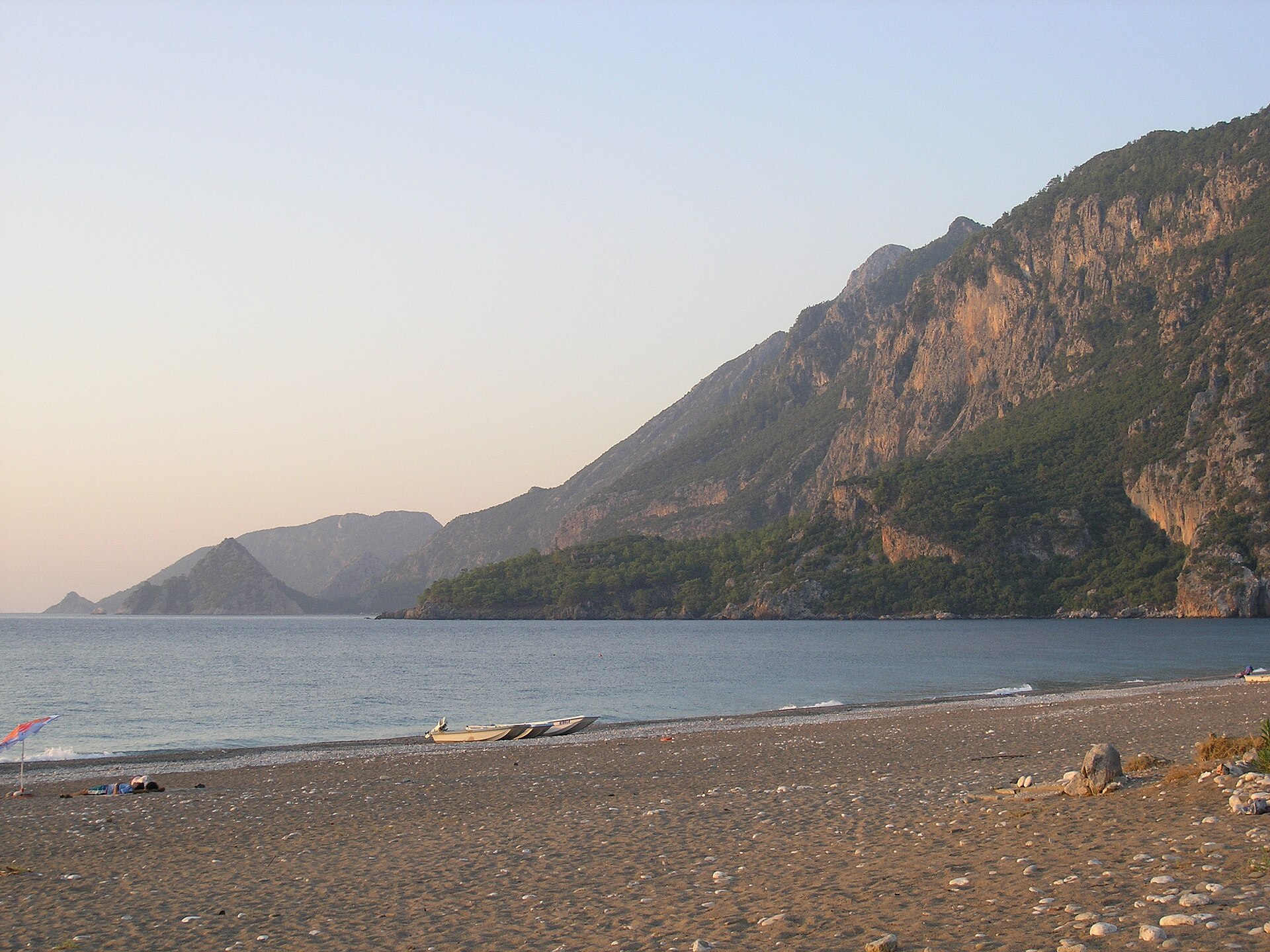
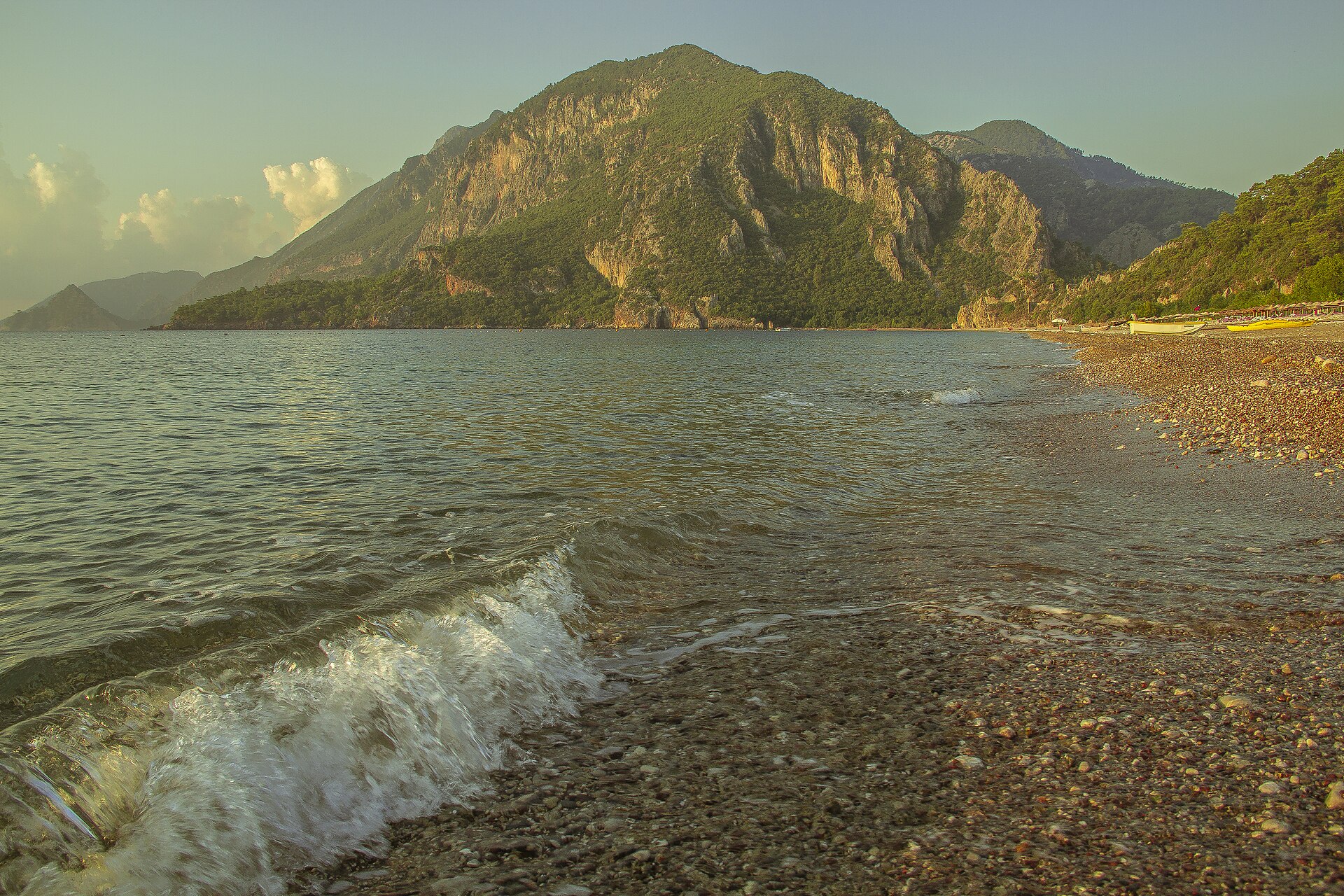
1. Olympos: a river harbour
Olympos doesn't reveal itself at once. Vegetation partly hides the ruins and the river divides the two banks. In antiquity the river was channelled and formed part of the harbour system. The bridge pier, the harbour tombs and the shoreline axis make the city's relationship with the sea visible. Look beyond the “pirate city” label at the Roman and Early Christian buildings too.
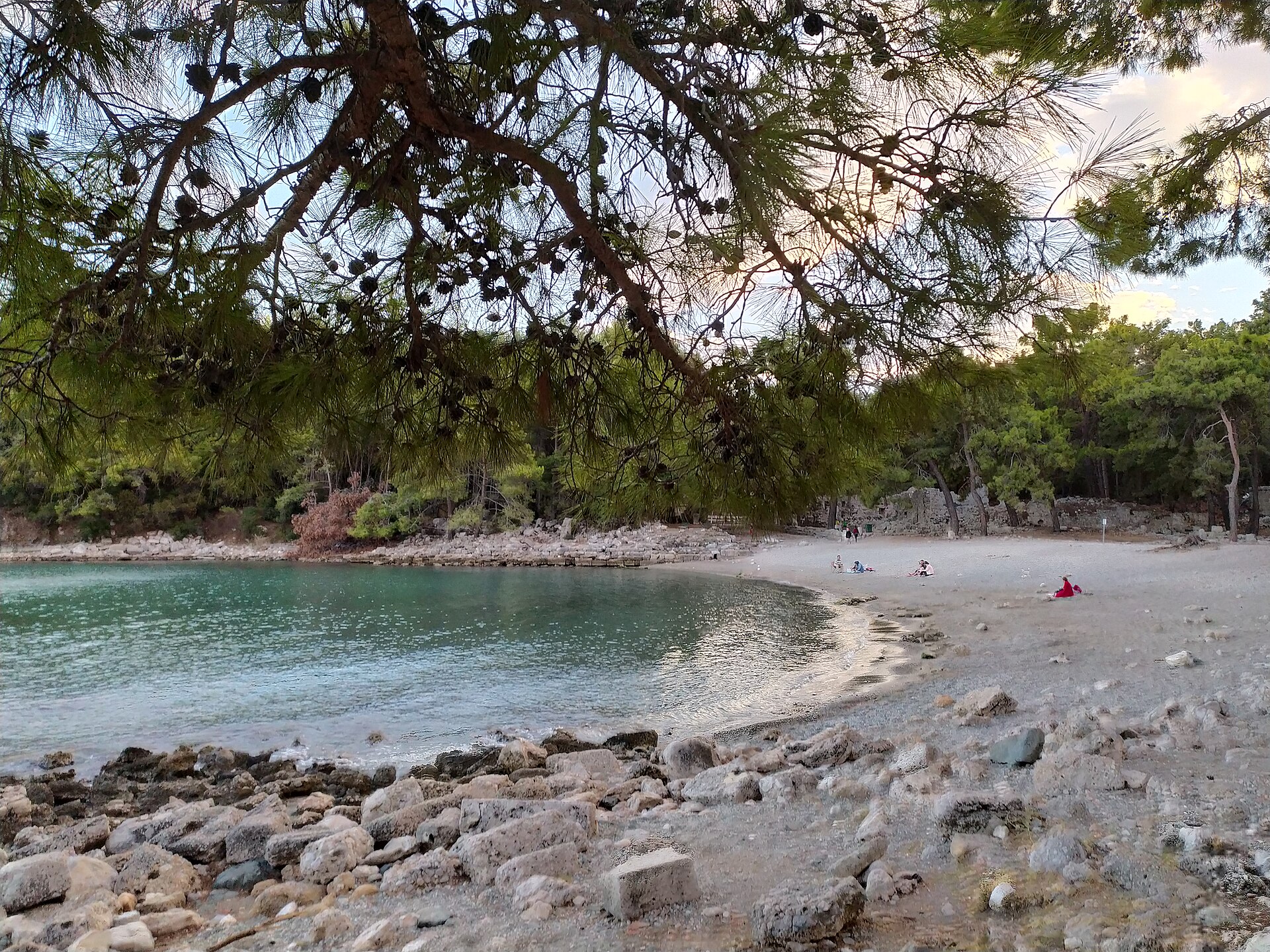
2. Phaselis: harbours and engineering
The broad street between the three harbours, the theatre, the agoras and the baths form a compact whole. The aqueduct brought water from a distant spring, and the drainage beneath the main street shows the city's engineering. Noticing how the harbours offered shelter depending on the wind helps you understand its commercial power.
3. Rhodiapolis: written memory
Overlooking the Kumluca plain, this city grows with the story of Opramoas. The monument documenting the donations of this wealthy 2nd-century AD Lycian turns stone into a public archive. The small theatre, the agora–stoa and the baths are close together, so it's quick to visit.
4. Limyra: water and dynasty
In the 4th century BC Limyra was the seat of the Lycian ruler Perikle. The rock tombs and heroic monuments show local power, while the Gaius Caesar monument shows its ties to the Roman world. Spring waters give the city an atmosphere unlike the others.
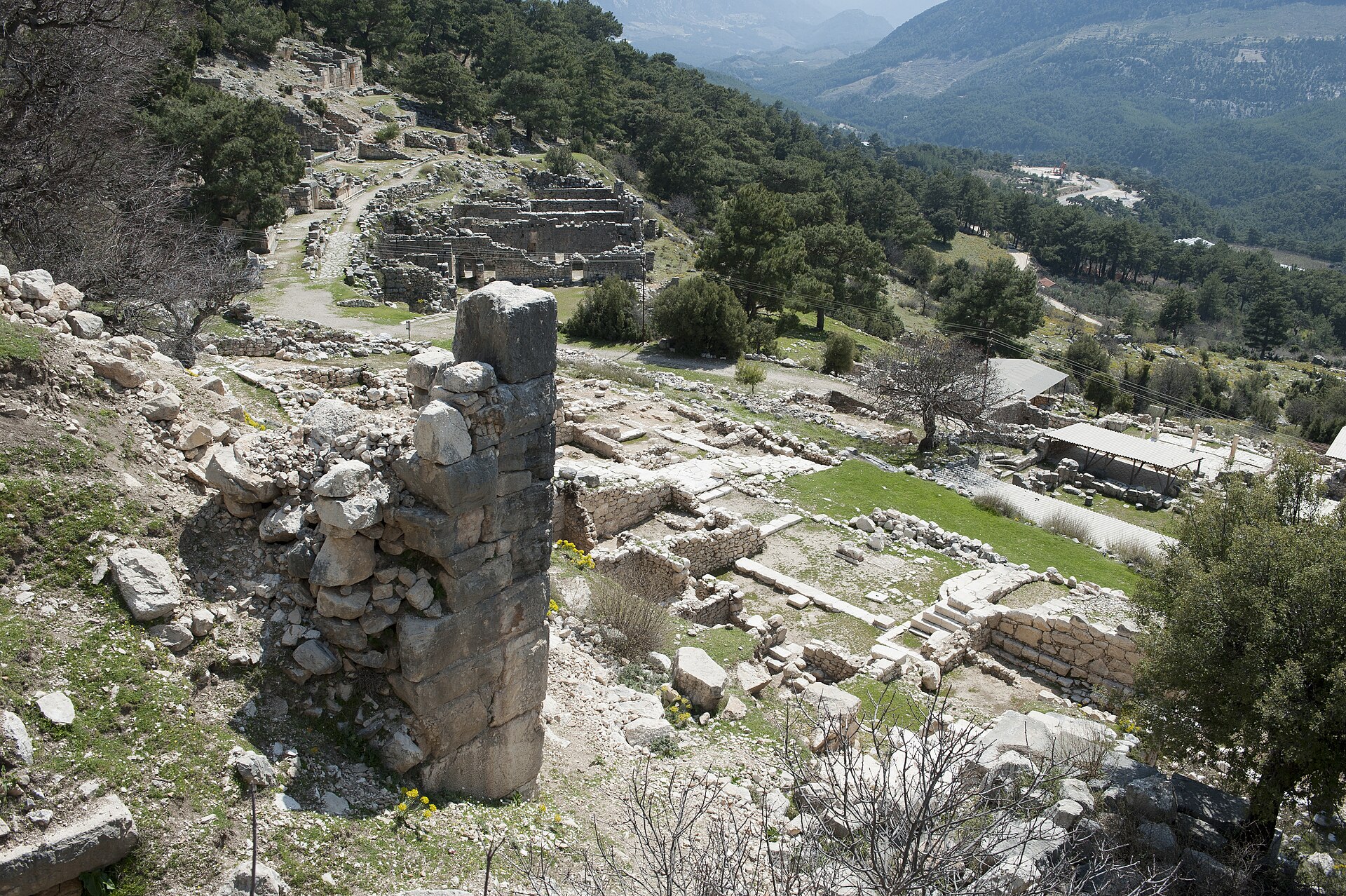
5. Arykanda: a city stacked up the mountain
Below Şahinkaya, the city rises in terraces. At the top is the stadium; below are the theatre, odeon, agora, bath–gymnasium and tombs. Its water channels and terrace engineering are particularly striking.
Spread the route over three days
- Day 1: Olympos + a swim
- Day 2: Phaselis + Rhodiapolis
- Day 3: Limyra + Arykanda
In each city, ask: Where does the water come from? How do the harbour or road connect to the city? Which view does the theatre face? Where are the tombs? What did later periods add? That's how a pile of stones turns into the plan of a living city.